
Lake Fishing Safety and Etiquette: A Beginner's Checklist

Camp Girl · Denver, CO
 Published: Nov 21, 2026
 7 min read
Summary
A practical checklist for anglers new to lake fishing. It covers weather awareness, handling gear safely, respecting other anglers and following local rules, plus how a guide helps beginners build good habits.
Lake fishing looks calm from the shore, and that calm is part of the appeal. It is also why new anglers sometimes skip the basics. A few habits, set before you ever cast, keep a day on the water safe for you and pleasant for everyone around you. This checklist walks through them in the order you will actually need them.
Check the Weather Before You Leave Home
Start with the forecast, and then check it again right before you head out. Wind, rain and lightning all matter more on open water than they do on land. A lake that is flat at sunrise can turn choppy by midday, especially if you are in a small boat.
Look at more than the temperature. Wind speed is the number that changes how your day feels, because it affects how hard it is to cast, hold a position and stay comfortable. Thunderstorms are the clear line: if you hear thunder or see lightning, get off the water and away from the shoreline too. A rod held up in the air is the tallest thing around.
Pack for the conditions you might get, not just the ones you expect. Mountain weather in particular can shift quickly, so layers, a rain jacket and a hat are cheap insurance. Bring more water than you think you will drink.
Wear and Carry the Right Safety Gear
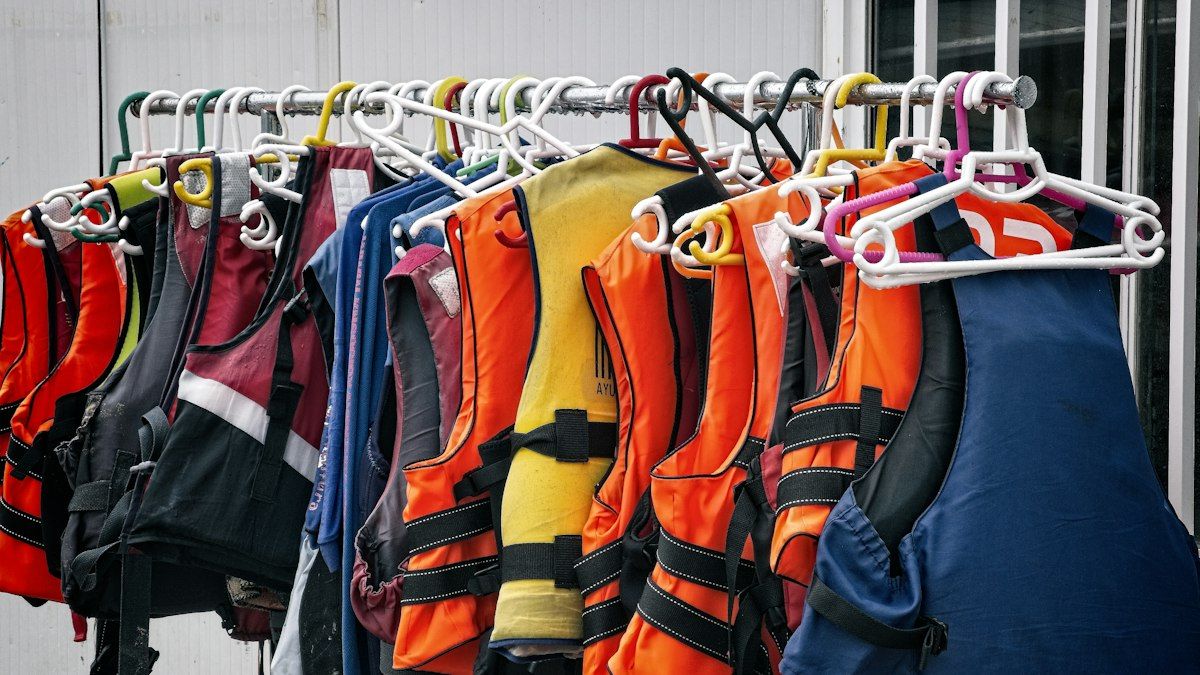
A life jacket belongs on your body, not stowed under a seat. If you are fishing from a boat, wear it from the moment you step aboard. Falling in is rarely dramatic, but cold water and heavy clothing can make a small slip into a real problem.
A short safety kit is worth carrying every time:
- A properly fitted life jacket
- Sunscreen, sunglasses and a hat
- A basic first aid kit
- Drinking water and a snack
- A fully charged phone in a waterproof pouch
- Pliers or a hook remover
Tell someone where you are going and roughly when you plan to be back. It takes ten seconds and it is the single most useful thing you can do if plans change.
Handle Hooks, Rods and Lures Carefully
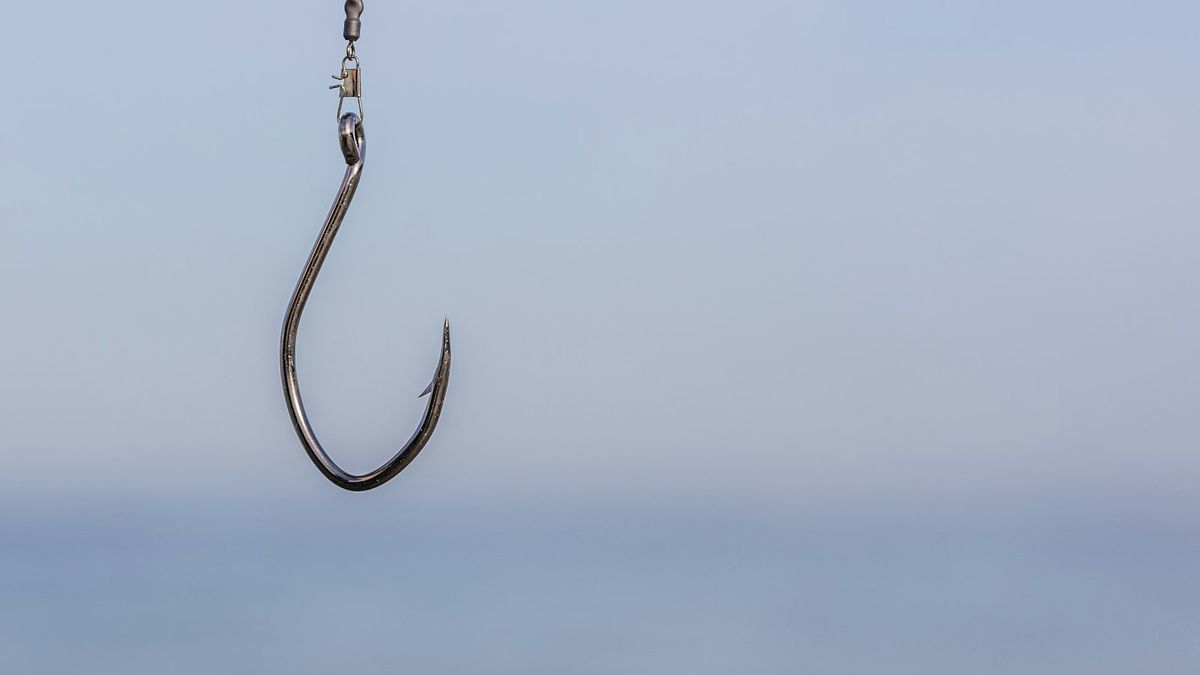
Most beginner injuries come from hooks. Treat every hook as live, even on a lure that looks harmless sitting in the tackle box. Keep the hook point away from people, and when you are not casting, hook it onto a rod guide or tuck it into a holder.
Before every cast, look behind you and to both sides. A cast needs more room than most beginners expect, and a lure that swings back can catch a hand, a hat or a cheek. Wearing sunglasses gives your eyes some protection even when you do everything right.
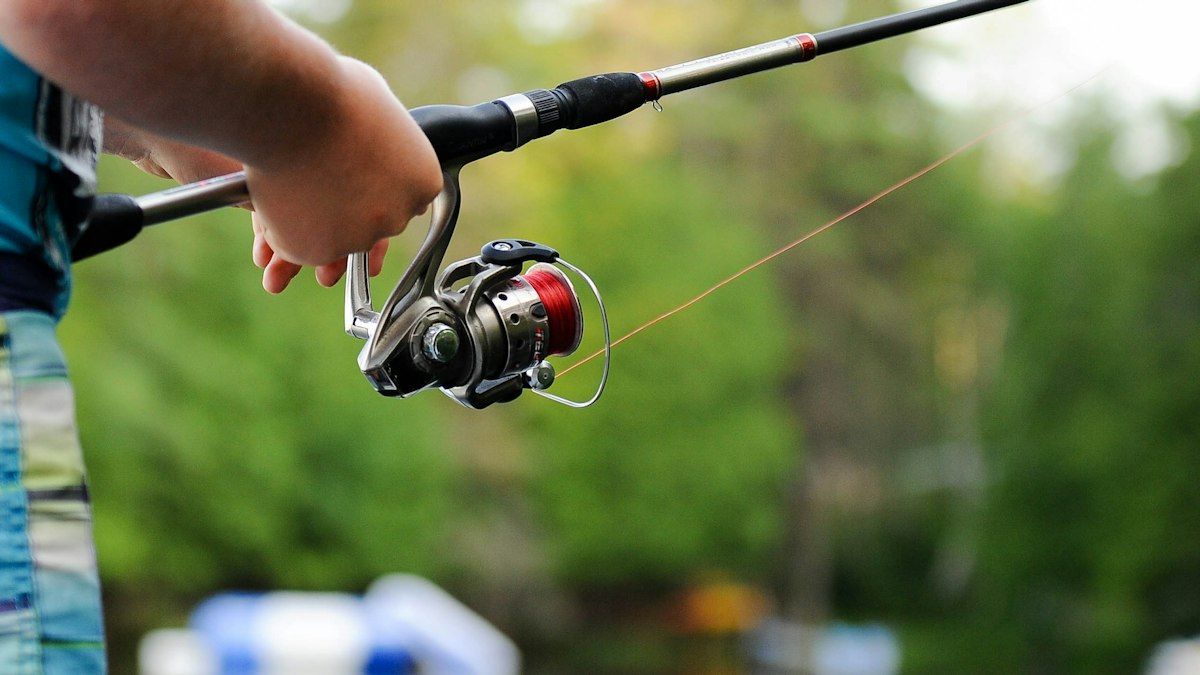
Carry your rod with the tip pointing up and ahead, never down at the ground where it can snag or snap. When you walk, hold the rod in one hand and watch for low branches and other anglers. If a hook does go into skin, do not pull and do not panic. Stay calm, and get proper medical help if it is deep or near the face or eye.
Be a Good Neighbor to Other Anglers
Good etiquette on a lake comes down to space and noise. Give other anglers plenty of room, and do not cast across their lines or crowd in beside someone who was clearly there first. If you are unsure whether you are too close, you probably are, so move along.
Keep your voice and your music low. Sound carries over water, and many people come to the lake precisely for the quiet. If you are sharing a dock or a bank, take only the room you need and keep your gear tidy, since loose rods and open tackle boxes are tripping hazards.
Leave the place cleaner than you found it. Pack out every piece of line, every wrapper and every bottle, including bits that are not yours. Discarded fishing line is a danger to wildlife and to other people, so cut it into short pieces and carry it out with the rest of your trash.
Follow Local Rules and Respect the Water
Every lake has its own rules, and they can change from one body of water to the next. Before you go, find out what applies where you plan to fish and make sure you understand it. Signs at access points and information from the managing agency are the places to look, and it is your job to check them, not to assume.
Beyond the posted rules, treat the lake and its surroundings with care. Stay on established paths, keep clear of nesting areas and wildlife, and handle any fish gently if you release one. Wet your hands first and keep the fish in the water as much as you can.
Why Fishing With a Guide Helps Beginners
Reading a checklist is useful, but seeing the habits in action is better. On a guided trip, you watch how an experienced person checks conditions, sets up gear and shares space on the water, then you copy it. That is a faster way to build good habits than trial and error alone.
For beginners around Denver, Hanna offers a guided Fish the Dillon Reservoir experience through Scuba Girl. A guide on the boat or the bank can point out when you are casting too close to someone, show you how to hold a hook safely and help you read the sky. You get to ask questions as they come up, which is hard to do from a website.
Her work is built around helping people feel confident outdoors, and that matters most when you are new. Starting with someone who already practices good safety and courtesy means those habits stick. After a trip or two, the checklist above stops being a list and becomes the way you fish.