

Cold Weather Fishing in Colorado: How to Dress in Layers

Camp Girl · Denver, CO
 Published: Oct 31, 2026
 7 min read
Summary
A practical guide to dressing for cold days on the water in Colorado. It covers base layers, insulation, wind and water protection, plus hands, feet and head, for Denver anglers heading into late fall.
Why Layers Beat One Big Coat
A single heavy coat looks like the easy answer for cold weather fishing in Colorado, but it rarely works well on the water. You warm up while setting up, start to sweat, and then chill fast once you stand still. Layers fix that because you can add or remove them as the day changes.
Think of your clothing as three jobs handled by three different pieces. The first layer manages moisture, the second holds heat, and the third blocks wind and water. When each piece does one job well, you stay comfortable far longer than you would in one thick garment.
Late fall fishing around Denver can swing a long way in a single day. A frosty start can turn into a mild afternoon, then drop again toward evening. Layers let you follow that swing instead of fighting it.
Start With the Base Layer
The base layer sits against your skin, and its only job is to keep you dry. Wool and synthetic fabrics are the usual choices because they pull moisture away from the body. Cotton does the opposite. It soaks up sweat and holds it, which leaves you damp and cold the moment you slow down.
Pick a base layer that fits snugly without squeezing. Loose fabric leaves gaps where warm air escapes, and a tight fit can restrict how you cast. A midweight top and bottom covers most cold days, and a lighter weight suits the milder afternoons.
Do not skip the legs. Many anglers dress their upper body carefully and then wear a single pair of jeans, which are cotton and a poor choice on a cold morning. Long base layer bottoms under your outer pants make a bigger difference than most people expect.
Add Insulation You Can Take Off
The middle layer traps the heat your body makes. Fleece is a common pick because it stays warm, breathes well and dries quickly. A lightweight insulated jacket or vest works too, especially one that packs down small.
The point of this layer is that you can remove it. If the sun comes out and you start to overheat, pull it off and stow it before you sweat. Sweating is the real enemy on a cold day, because damp insulation loses most of its warmth.
On a very cold morning you might wear two thin insulating layers instead of one thick one. Two thin pieces give you more control, since you can shed just one when the temperature climbs.
Block Wind and Water With the Outer Layer
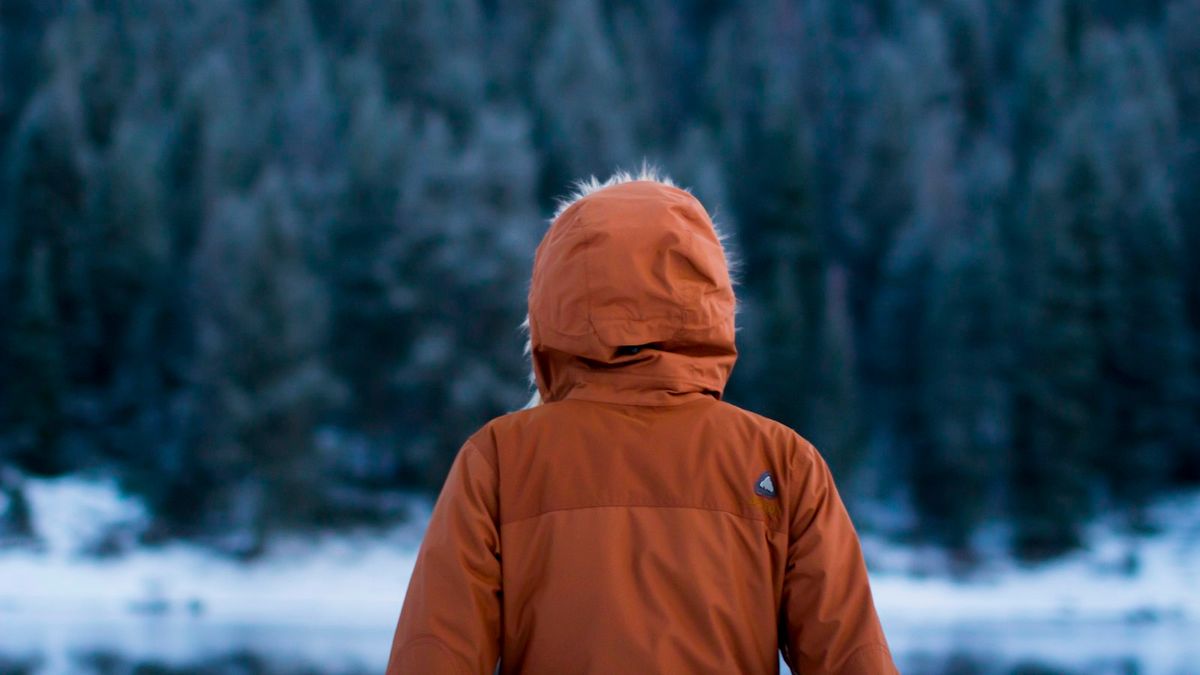
Wind strips heat from your body faster than cold air alone, and spray or drizzle makes it worse. The outer layer is your shield against both. A shell jacket and pants that are windproof and water resistant keep your inner layers working the way they should.
Look for a shell with a hood and cuffs you can tighten. Open sleeves and a loose collar let cold air in right where you lose the most heat. If you are fishing from a boat, a shell also protects against wind that builds as you move across open water.
Breathability matters here too. A shell that seals in moisture will leave you damp from the inside even if rain never touches you. Choose one that lets vapor escape while still turning wind and water away.
Protect Your Feet
Cold feet end more fishing days than anything else. You stand in one spot for long stretches, and the ground or boat floor pulls heat out through your soles. Good socks and the right boots are worth more than almost any other upgrade.
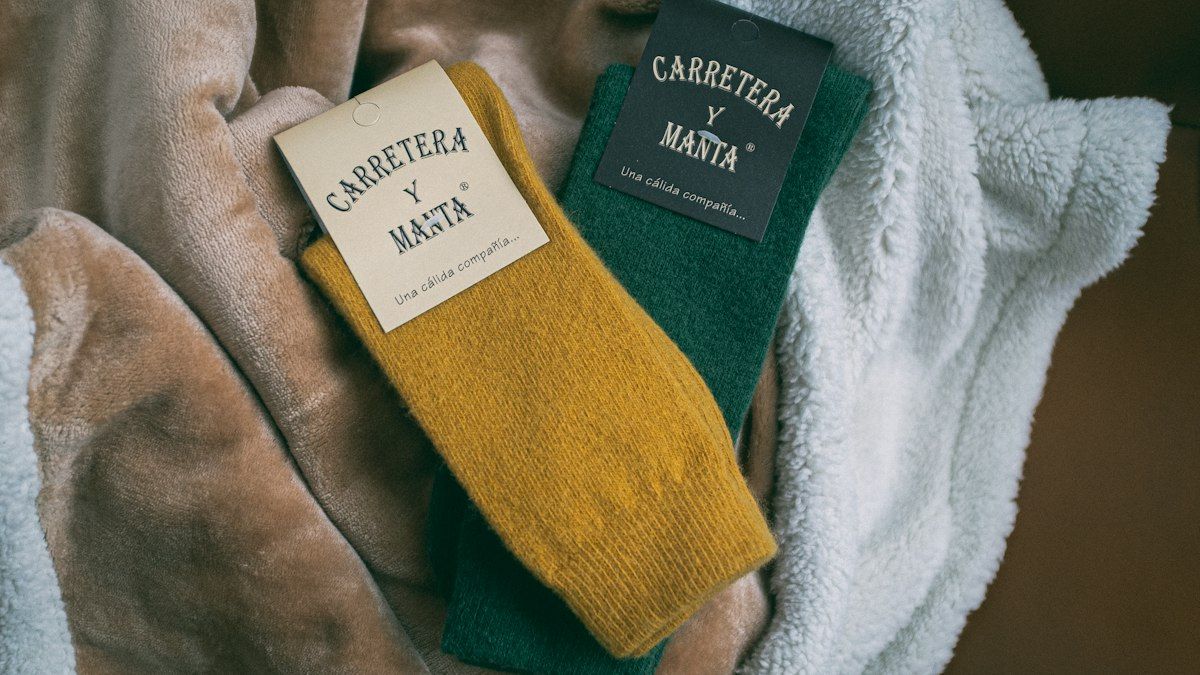
Wear a thin wool or synthetic liner sock with a thicker wool sock over it, and leave a little room in your boots. Packed-tight footwear cuts circulation and makes feet colder, not warmer. If your boots feel snug with the socks on, size up rather than adding more layers.
Bring a spare pair of socks and keep them dry in a bag. Swapping into dry socks midday feels like a small luxury, and it can save the rest of your trip.
Keep Hands and Head Warm
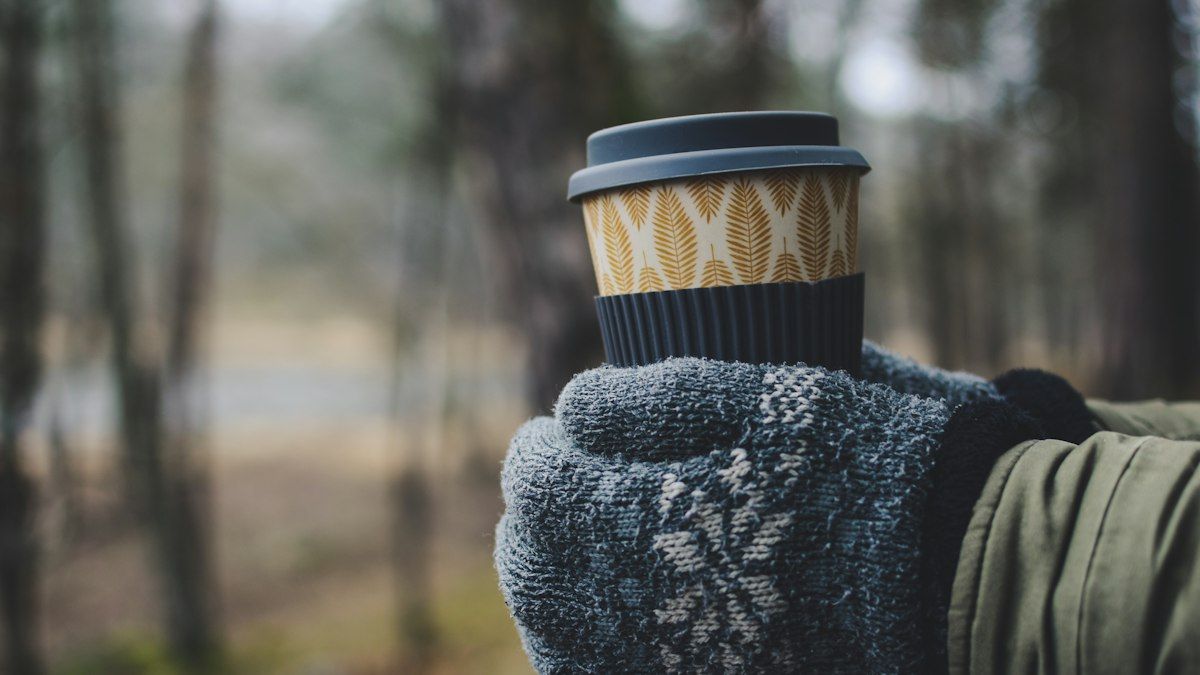
Your hands do fine work all day, tying knots and handling line, so heavy mittens are not always practical. Fingerless gloves or thin gloves with grippy fingertips let you work while keeping some warmth in. Many anglers carry a thicker pair too and switch between them between casts.
A warm hat matters more than people think. A large share of body heat escapes through an uncovered head, and a beanie that covers your ears gives you a lot of warmth for very little bulk. A neck gaiter or buff adds protection for your throat and face when the wind picks up.
Hands and head respond quickly to small changes. Pulling a hat down or slipping on a glove can bring comfort back in seconds, so keep both easy to reach.
Putting It Together for a Day on the Water
Before you leave, check the forecast and plan for the coldest point of the day, not the warmest. It is much easier to carry a layer you never wear than to stand on the water wishing you had packed it. Keep extra pieces in a dry bag within reach.
If you want a place to put this into practice, Hanna offers a trip to fish the Dillon Reservoir from the Denver area. Dressing well for a cold morning there means you can focus on the fishing rather than on how cold you are.
Start with the base layer, build up your insulation, and finish with a good shell. Add warm socks, a hat and gloves you can work in. Get those pieces right and a chilly late fall day becomes a comfortable one.