
Denver Water Sports for Beginners: Where to Start

Your First Day on the Water
Try a guided fishing day on Dillon Reservoir with Hanna at Scuba Girl.

Published:
Updated:
Most people who ask about Denver water sports have the same worry. They figure Colorado is all mountains and not much water, and that anything on a lake takes gear and skills they do not have. Neither is true. Denver is a good launch point for lake days, and the basics are easier to pick up than most beginners expect.
Why Denver works as a starting point
Denver sits right at the edge of the Front Range, so you can reach a lake on a short drive and the high country on a slightly longer one. That range helps beginners a lot. You can pick calm, easy water for a first try and move on to bigger lakes once you know what you like. Lake sports in Colorado are a big part of the summer for locals, and most of them need far less experience than people think.
Colorado water does behave differently from what many newcomers expect. Lakes sit at elevation, so the sun is strong, the water stays cold even in July, and the weather can change fast. Mornings are usually calm and clear. Afternoon wind and thunderstorms are common in the mountains, which is why locals who know the water tend to be off it early.
Lake fishing: the easiest way in
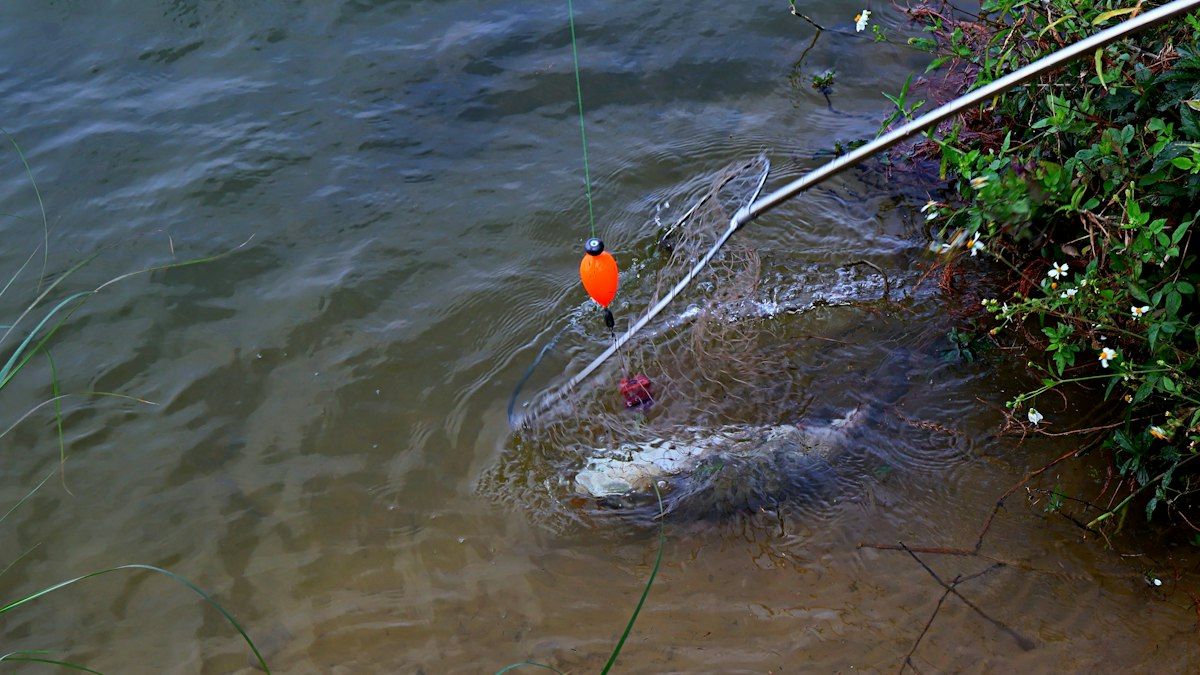
If you want one activity with the lowest barrier, start with lake fishing. You sit or stand in one spot, you do not need to be fit, and the pace is slow enough to ask plenty of questions. Nobody gets knocked over by a wave. The learning is mostly about reading the water, choosing what to put on the end of your line, and knowing what a bite feels like.
Hanna runs a guided Fish the Dillon Reservoir outing through Scuba Girl, based here in Denver. Dillon is a mountain lake, so it is a good picture of what lake sports in Colorado look like once you leave the city. On a guided trip, the guide's local knowledge covers the part that frustrates beginners most when they go alone, which is where to fish and what to try. You spend your time fishing instead of guessing.
Before any fishing trip, check the current Colorado fishing license rules. Ask your guide whether a license is something you need to sort out yourself. Rules are the angler's responsibility, and finding out at the boat ramp is a bad time to learn them.
Kayaking and paddleboarding basics
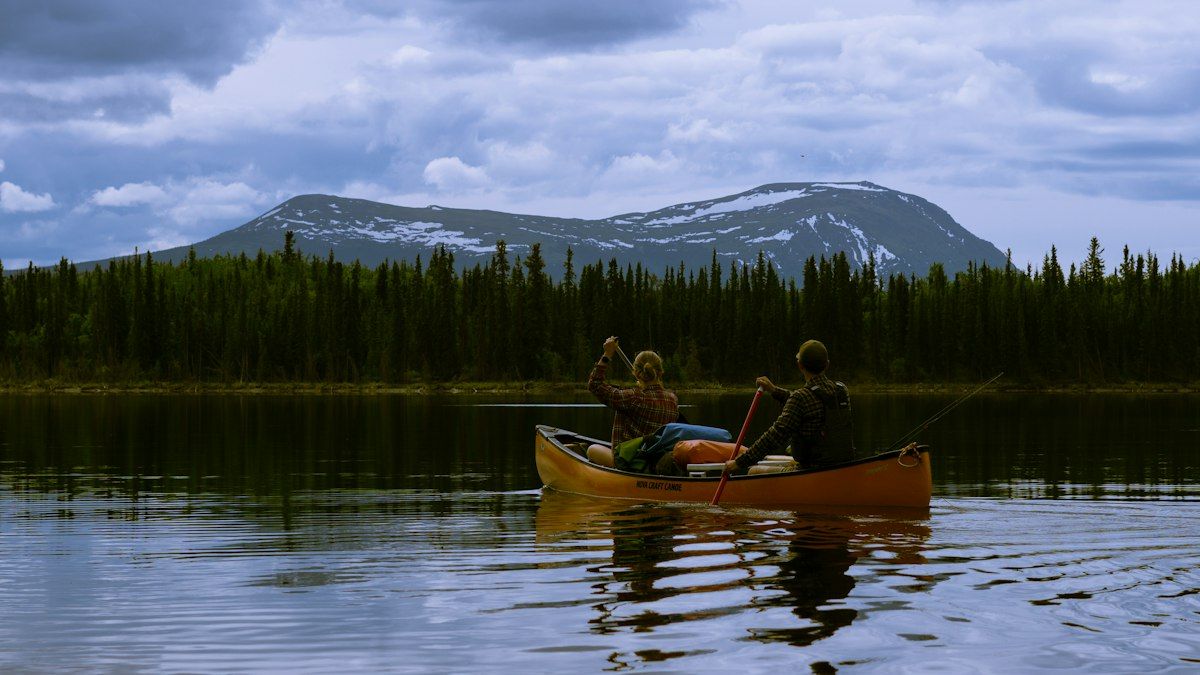
Kayaking and paddleboarding are the two most popular ways to get on flat water without a motor. Kayaking is the steadier of the two. You sit low, the paddle gives you good control, and you can carry water and a dry bag without much trouble. Paddleboarding is harder at first because you stand up, but most people are moving with confidence after a few tries on calm water.
Wind is the real enemy for both. On a breezy afternoon a paddleboard turns into a sail, and you can burn all your energy going nowhere. Pick a morning, stay near shore on your first outing, and paddle into the wind on the way out. That way the trip back is the easy part, and you will not be fighting tired arms at the end.
Falling in is part of learning to paddleboard, so dress for it. Cold water is a shock even on a hot day, and it takes your breath for a few seconds. Wear a life jacket on any boat or paddle craft. Most Colorado waters expect it, and it is the sensible thing anyway when the water is cold and you are still finding your balance.
What to know before your first outing
A few small things decide whether a first day is fun or miserable. None of them cost much, and all of them are easy to sort out the night before. Here is the short list I give people.
- Check the forecast and plan to be on the water in the morning, before the wind and storms build.
- Dress in layers and bring sun protection, since the sun at elevation burns faster than you expect.
- Carry more drinking water than you think you need.
- Tell someone where you are going and when you expect to be back.
- Be honest about your swimming ability so your guide or rental shop can plan around it.
You also do not need to buy gear before you try anything. Rent or borrow for the first few outings, and ask what is included when you book. After two or three days on the water, you will know what you actually want to own.
How a guide shortens the learning curve
You can learn all of this alone, but it is slow and sometimes costly. People buy the wrong gear, launch at the wrong spot, or get caught out by wind they did not see coming. A guide skips most of that because they already know the lake. They know where the fish tend to be, where the wind hits, and when to call it a day.
Real-time correction is the other big gain. If your cast is off or your paddle stroke wastes effort, someone tells you in the moment. Habits you pick up early stay with you, and bad ones are hard to undo later. On a guided Dillon Reservoir day, you also have someone watching the sky and the water so you can focus on the fun part.
Confidence matters more than most beginners admit. Nervous people make rushed decisions on the water, like standing up in a boat or paddling too far from shore. A guide who has worked with first-timers keeps things calm and paced. You end up relaxed enough to enjoy it, which is the whole point of a first trip.
Choosing your first outing
Pick based on what you want from the day. If you want quiet time outdoors and a real chance at a catch, guided fishing on Dillon Reservoir is a solid place to begin. If you want exercise and a bit of a challenge, try kayaking first and paddleboarding second. Many beginners end up doing both within a season.
Whichever you choose, keep the first outing short and early in the day. A good first trip leaves you wanting more, not sunburned and sore. If fishing sounds like your speed, look at the Fish the Dillon Reservoir listing with Hanna at Scuba Girl and book a day that fits your schedule.


