
How to Choose a Fishing Guide in Denver: 5 Things to Know

Find Your Denver Fishing Guide
Explore guided fishing near Denver - book your trip today!

Published:
Updated:
Picking a fishing guide in Denver sounds simple until you start comparing options. Every guide says they know the water and every website promises a great day out. The difference shows up once you are standing on the shore or sitting in the boat, and by then the money is spent. A few questions asked up front will tell you far more than a glossy photo gallery ever could.
This is a practical checklist for choosing a guide in the Denver area, whether you are booking your first guided trip or you have fished for years and want someone who can shorten the learning curve on unfamiliar water.
1. Look at Real Experience, Not Just Claims
Years on the water matter, but so does the kind of time. A guide who has spent seasons fishing and leading trips in one region will read conditions faster than someone who recently moved in with a nice boat. Ask how long they have been guiding, how long they have worked in this area, and what a typical trip looks like for someone at your skill level.
Pay attention to how they answer. A good guide gives you plain, specific details and does not dodge. If the answer is vague, that tells you something too. You are also paying for patience, because a guide who can explain a cast three different ways is worth more than one who just points and says try again.
For a beginner, this matters even more. Teaching is a separate skill from fishing, and the best guides are usually the ones who enjoy seeing a first-timer land a fish as much as they enjoy catching one themselves.
2. Check Their Knowledge of the Local Water
Denver sits close to a lot of different fishing spots, and a guide who knows them well will not waste your morning. Local knowledge means knowing where to be and when to be there, how wind and weather change the day, and what to do when the plan falls apart. A guide working out of Denver should be able to tell you where your trip will happen and why that spot suits the time of year.
Ask where they usually run trips and what makes that spot a good fit for your group. Some trips run on a lake, which is a different day from fishing a stream, and a guide should be upfront about what to expect. Hanna of Scuba Girl, for example, lists a Dillon Reservoir fishing trip as one of her offerings, so a customer curious about lake fishing knows exactly which water that trip is built around.
Beware of any guide who cannot tell you where you are going until the morning of the trip. Good local knowledge shows up in the planning, not just on the day.
3. Ask About the Gear
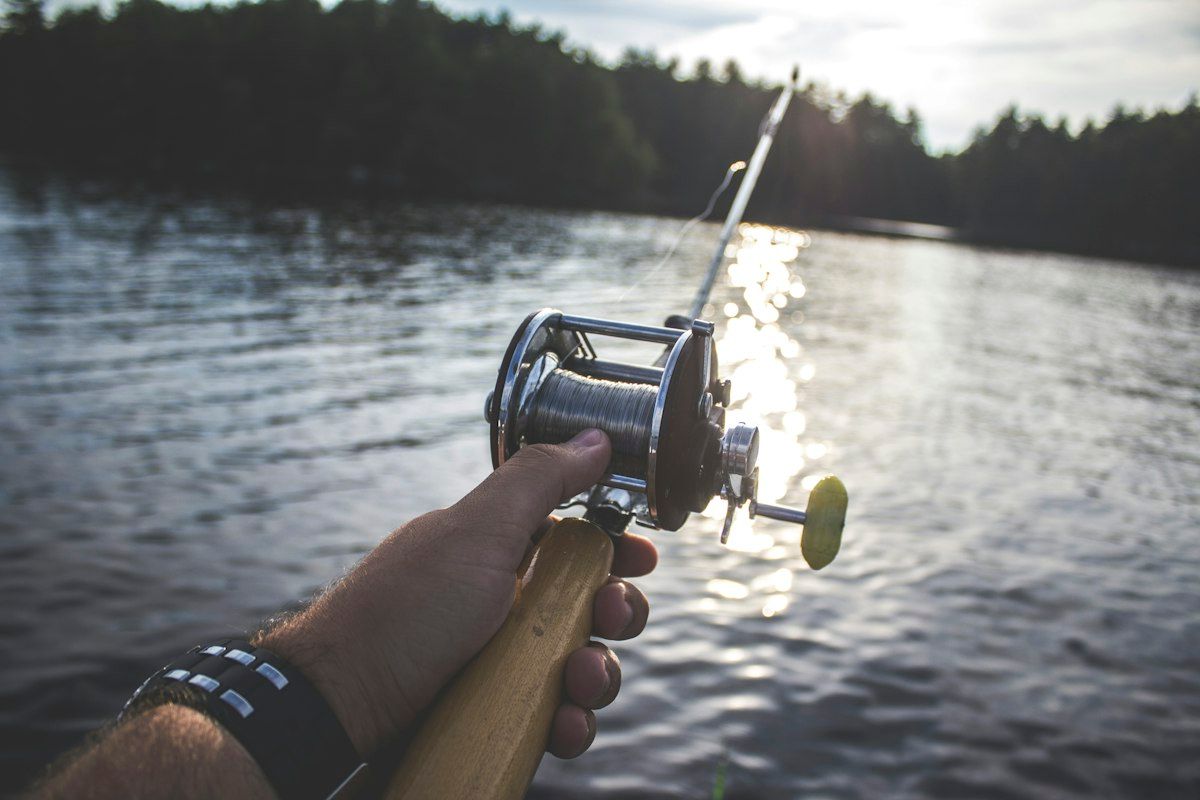
Gear affects how your day goes more than most people expect. Worn-out reels, tangled line and mismatched rods turn a good spot into a frustrating one. Before you book, find out what the guide supplies and what you are expected to bring. Some trips cover everything, while others expect you to show up with your own setup.
It is also worth asking whether the equipment suits your experience. A beginner needs something forgiving and simple, and an experienced angler may want to bring a favorite rod. A guide who asks about your background before answering is usually thinking about your day, not just filling a seat.
Do not assume anything. If the listing does not say whether gear is included, ask directly. A straight answer now saves an awkward conversation at the water.
4. Think About Group Size
Group size changes the whole feel of a trip. A small group means more time with the guide, more help with technique, and more room to fish without crowding anyone. A large group can still be fun, especially for a family outing or a birthday, but each person gets less individual attention.
Match the group to the goal. If you want to actually learn something, a smaller group usually works better because the guide can watch your cast and fix it on the spot. If the point is a day outside with friends, a bigger group may be perfectly fine as long as the guide is honest about how the day will run.
Ask how many people a typical trip takes and whether you can book privately. Then ask what happens if someone in your group is much newer to fishing than the rest. A thoughtful guide will have an answer ready, and that answer will tell you how well they plan.
5. Put Safety First
Fishing looks relaxed, but you are often near deep water, changing weather and slippery footing. A professional guide takes that seriously and talks about it before anyone casts a line. You should feel comfortable asking about safety, and a good guide will welcome the question.
Find out what they do when weather turns, what happens if conditions are not right for the trip, and how they handle people who are not strong swimmers or are new to being on the water. Ask whether life jackets are on hand. Do not be shy about this, because a guide who brushes off safety questions is not one you want to follow onto a lake.
Hanna, who runs Scuba Girl out of Denver, works with outdoor enthusiasts at every experience level, and that kind of mixed-ability experience is exactly what makes a guide more careful and more clear about the rules of the day.
Putting It All Together
No single factor decides whether a guide is right for you. Experience, local knowledge, gear, group size and safety all work together, and a weakness in one can undercut the rest. A guide with great knowledge of the water but sloppy safety habits is not a good choice, and neither is a careful guide who can't tell you where the trip will go.
Before you book, send a short message with your questions. How a guide responds is a preview of how the day will feel. Clear, friendly and specific answers are a good sign, and slow or evasive ones are a warning. Take your time, compare a couple of options, and pick the guide who makes you feel comfortable asking questions. That is usually the person who will make the day on the water worth it.


