


Breckenridge Adventure Tours: Hiking Tips for First Timers

Hit the Trail in Breckenridge
Join a guided scenic hike with Hanna and see the Colorado high country.

Published:
Updated:
Why a Guided Hike Makes Sense for Your First Time
Breckenridge sits high in the Colorado Rockies, and the trails around it look different from the ones most people grew up walking. The air is thinner, the weather can change quickly, and the footing shifts from packed dirt to loose rock in a few hundred feet. A guided hike takes a lot of the guesswork out of that. You get someone who has walked the route before and can tell you when to push and when to slow down.
Hanna runs Scuba Girl as an independent outfit based in Denver, Colorado, and her work is built around helping people get outdoors with confidence, especially people who are new to it. If you are looking at Breckenridge adventure tours for the first time, that kind of support matters more than any piece of gear you can buy. This guide walks through what to expect and how to get ready before you arrive.
Getting Ready for the Altitude
Breckenridge sits well above 9,000 feet, and that is the first thing a visitor from Denver or lower ground will notice. You may feel winded on a gentle slope, get a mild headache, or sleep badly the first night. None of that means you are unfit. It means your body is still adjusting to less oxygen.
The simplest fix is time. If you can, spend a night or two in town before your hike so your body has a head start. Drink water through the day before the hike, and go easy on alcohol the night before. Eat a real breakfast on the morning of the trip, because empty fuel tanks make altitude feel worse.
Pace yourself once you are on the trail. Short, steady steps beat long, fast ones, and stopping to catch your breath is part of the plan, not a failure. If you get dizzy, nauseated, or a headache that keeps building, tell your guide right away.
What to Bring and Wear
You do not need a closet full of specialty gear for a scenic hike. You do need a few things done right, and the list below covers the basics.
- Broken-in hiking shoes or trail shoes with good grip, not brand-new boots
- Layers you can add or remove, since mountain temperatures swing through the day
- A light rain shell, even when the morning looks clear
- Sunscreen, sunglasses, and a hat, because the sun feels stronger at elevation
- A daypack with a refillable water bottle and a few snacks
Cotton is a poor choice on the trail because it holds sweat and gets cold fast. Wool or synthetic fabrics dry quicker and keep you comfortable. Before the trip, ask your guide what is provided and what you should pack yourself, so there are no surprises at the trailhead.
Water deserves its own mention. Dry mountain air pulls moisture out of you faster than you expect, and you may not feel thirsty until you are already behind. Sip steadily through the whole hike rather than waiting for a break to drink.

Fitness Expectations for Beginners
A scenic hike is not a race, and you do not need to be an athlete to enjoy one. What helps is being comfortable walking for a few hours with some uphill sections. If you can walk briskly around your neighborhood for an hour, you have a decent base.
A few weeks before your trip, add some practice walks to your routine. Choose hills or stairs if you have them, and carry a light pack so your shoulders get used to the weight. Do not try to cram it all into the last weekend, because sore legs on the trail are no fun for anyone.
Be honest with your guide about your comfort level when you book. If you are nervous about steep sections or have a knee that complains on descents, say so. A good guide can set the pace and the stops around the group, which is a big reason many first-timers choose a tour over heading out alone.
Trail Etiquette Every Hiker Should Know
Trail manners are simple, and knowing them makes you a better hiking partner from the first step. Hikers heading uphill generally have the right of way, since it is harder to stop and restart on a climb. If you are coming downhill, step aside and let them pass.
Stay on the marked trail, even when it is muddy. Walking around a puddle widens the path and damages the plants beside it. Pack out everything you bring in, including fruit peels and wrappers, because nothing in the mountains breaks down as fast as people think.
Give wildlife plenty of space and never feed it. Keep your voice at a friendly level, and if you want to listen to music, use headphones with one ear free. Part of the reason people hike is the quiet, and the people around you will appreciate you protecting it.
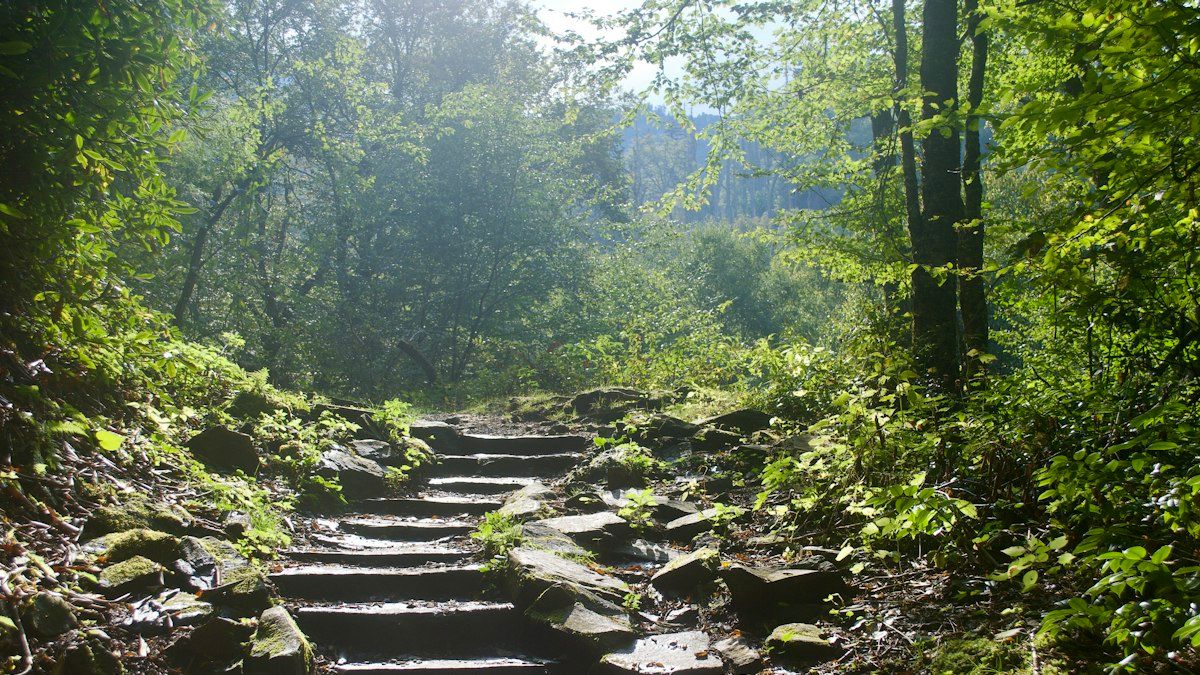
What a Guided Scenic Hike Looks Like
Hanna offers a scenic hike in Breckenridge as one of her adventure tours. The point of a guided trip is that you do not have to plan the route, read the map, or wonder whether you are in the right place. You show up, meet your guide, and spend your energy on the walk and the views.
Along the way, a guide can point out features of the landscape, set the pace for the group, and call a break when the group needs one. For first-timers, having that steady voice up front takes a lot of the worry out of the day. Questions about the trail, the weather, or your own comfort can be answered on the spot instead of through guesswork.
Before you book, ask about the details that matter to you: how long the hike runs, what is included, and what you should bring. Those answers will tell you whether the trip fits your comfort level and your plans for the rest of the day.
Planning Your Trip From Denver
Many people looking for tours from Denver, Colorado, treat Breckenridge as a day trip or a weekend stop. Hanna is based in Denver, so she knows the area and the approach well. If you are driving up, leave early, give yourself time to park and settle in, and avoid rushing to the trailhead.
Check the weather the day before and again that morning. Mountain forecasts can change quickly, and your guide will tell you if conditions affect the plan. With a little preparation, a first hike near Breckenridge can be one of the best days of your trip.


