

What to Pack for a Dillon Reservoir Fishing Trip

Fish the Dillon Reservoir
Pack light, show up ready, and let Hanna handle the rest. Book your trip today!

Published:
Updated:
Packing for a guided lake fishing trip is easy to overthink. You do not need a trunk full of tackle, but you do need to be comfortable for several hours outside. This checklist is built for a Dillon Reservoir fishing trip, whether it is your first time on the water or you just want to stop forgetting the same two things every outing.
Hanna runs trips out of Denver, Colorado, and the Fish the Dillon Reservoir experience is the one this checklist is written around. The goal is simple: show up dressed right, carrying what you personally need, and let the day be about fishing instead of fumbling through your bag.
Start With the Gear Question
The first thing most people ask is whether they have to bring their own rod. Check with Hanna when you book, because what is included on your particular trip is something to confirm directly rather than assume. A quick message before the day saves you from hauling gear you did not need or arriving without something you did.
If you do own a favorite rod or reel, ask whether it fits the plan for the day. Do not buy a pile of new tackle just for one outing. A guide knows what the day calls for and can tell you what is worth bringing from your own collection.
Clothing Layers: The Part Most People Get Wrong
Dillon Reservoir is a lake in the Colorado mountains, and mountain weather does not care about the forecast you saw at breakfast. Mornings on the water can feel cold even when the afternoon turns warm. Layers let you adjust without ending your day early.
- A moisture-wicking base layer that dries fast, not heavy cotton
- A warm middle layer such as a fleece or light insulated pullover
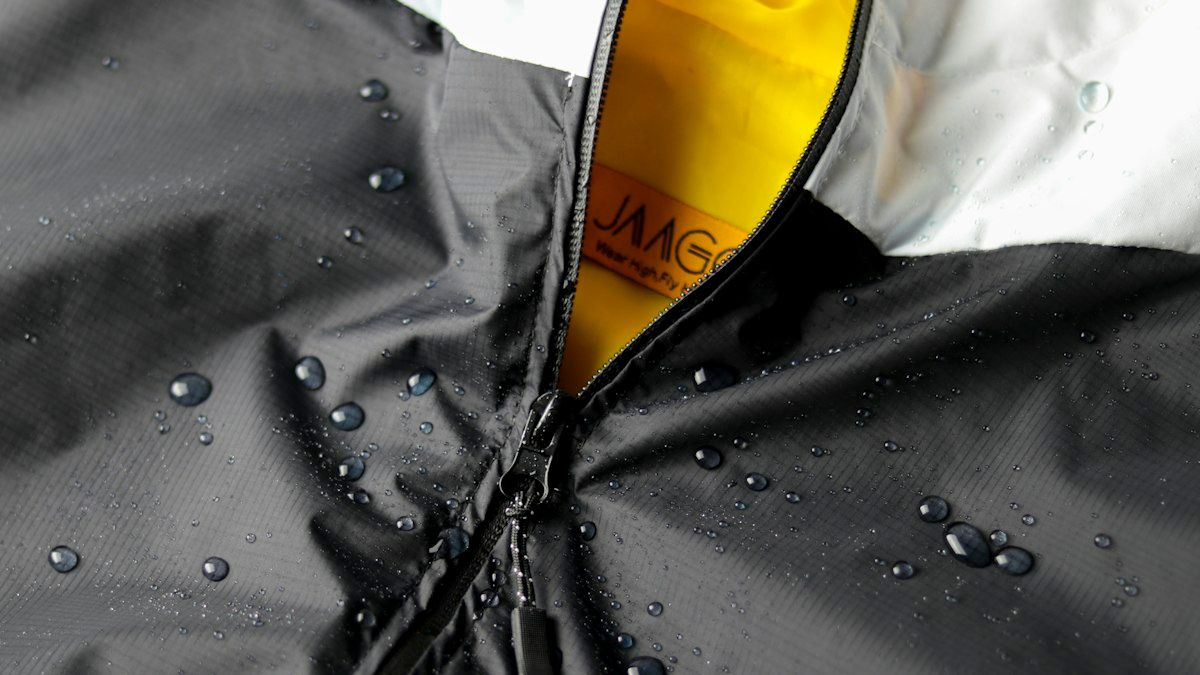
- A wind-resistant outer layer you can zip up or stuff in a bag
- A waterproof rain jacket, even if the sky looks clear when you leave
- Long pants that move easily when you sit, stand, and reach
Cotton is the usual mistake. It holds moisture, and once it is damp it stays cold. Synthetic fabrics or wool keep working when they get wet from spray or a stray sweat.
Shoes matter too. Wear closed-toe shoes with good grip, since wet surfaces around the water get slick. Wool or synthetic socks beat cotton ones for the same reason as the base layer.
Bring one extra layer more than you think you need. You can always take a layer off and tuck it away. You cannot add one you left in the car.
Sun Protection Comes Standard
Open water means little shade, and the sun hits harder at Colorado elevation than most people expect. Reflection off the lake adds to it. You can come off a cloudy-feeling morning with a sunburn and not understand how it happened.
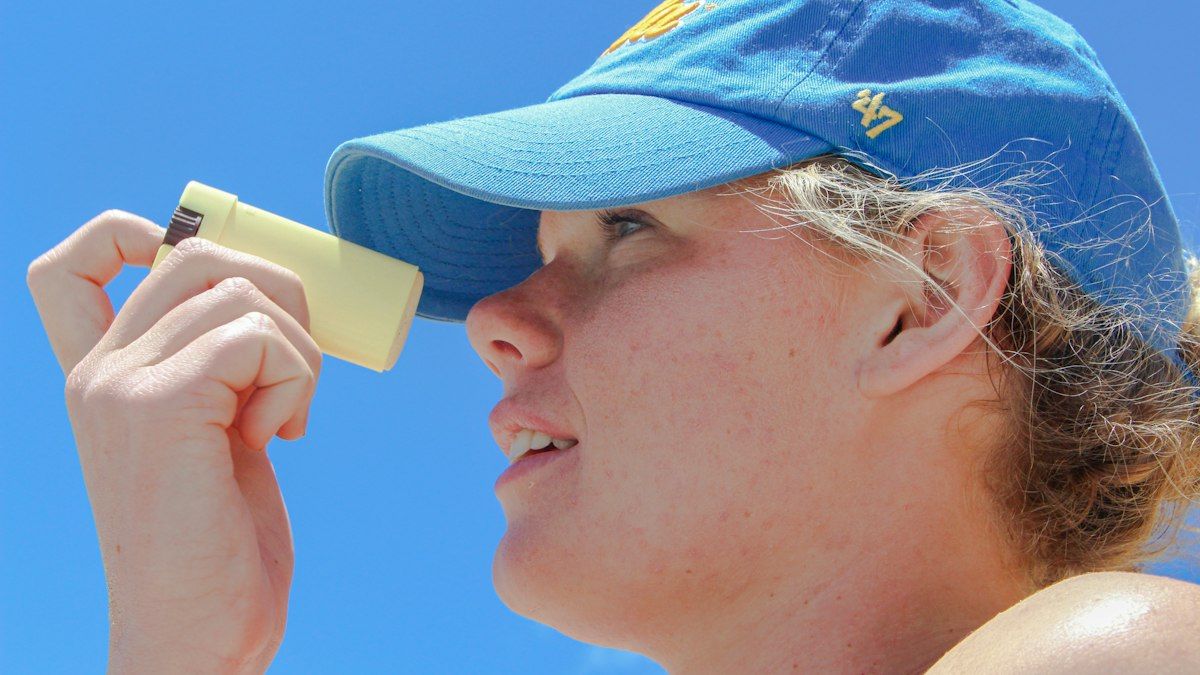
- Sunscreen you apply before you leave and again during the day
- A hat with a brim, ideally one that stays on in wind
- Sunglasses, preferably polarized, which cut glare and help you see into the water
- Lip balm with sun protection
Polarized lenses are worth the small extra cost if you do not already own a pair. They make the water easier on your eyes, and they help you follow what is happening near your line.
Do not skip sunscreen on cooler days. Cold air and strong sun are a combination that fools people.
Personal Items Worth Tossing in Your Bag
These are the small things that make a long day on the lake more pleasant. None of them take up much room, and together they cover most of what goes wrong on a trip.
- A refillable water bottle, since you will drink more than you expect
- Snacks you can eat with one hand
- Any personal medication you take regularly
- Your phone, in a waterproof pouch or zip-top bag
- Cash or a card for anything you want to pick up on the way
- A small towel or cloth for wet hands
Pack food you like and can eat without making a mess. Fishing involves a lot of waiting, and a good snack makes that waiting easier. Keep it simple and avoid anything that needs a table.
Put your valuables in one bag and keep it dry. A small dry bag or even a heavy zip-top bag does the job. A bag that stays dry means a phone that still works at the end of the day.
What to Leave at Home
Just as important as what to bring is what to skip. Overpacking turns a relaxed day into a game of finding space for your stuff. Leave behind anything fragile, anything you would be upset to lose, and any large gear you were not asked to bring.
Skip heavy jewelry and anything dangling that could snag on a line. Leave the big cooler if you were not told to bring one. Ask Hanna about food and drink before the trip so you do not pack a full lunch the plan already covers.
Plan the Day Before You Leave Denver
Your trip starts the night before. Lay out your clothes, charge your phone, and check the weather one more time. Plan your drive from Denver so you are not rushing to the meeting spot, because arriving calm sets the tone for the day.
If anything on this list feels uncertain, ask. Questions about what to bring, where to meet, or what the day looks like are exactly what Hanna can answer when you reach out. A short message beforehand beats a guess on the morning of the trip.
When you are ready to plan your own Dillon Reservoir fishing trip, the Fish the Dillon Reservoir experience is available to book. Pack light, dress in layers, bring what is on this list, and you will spend the day thinking about the lake instead of what you forgot.


